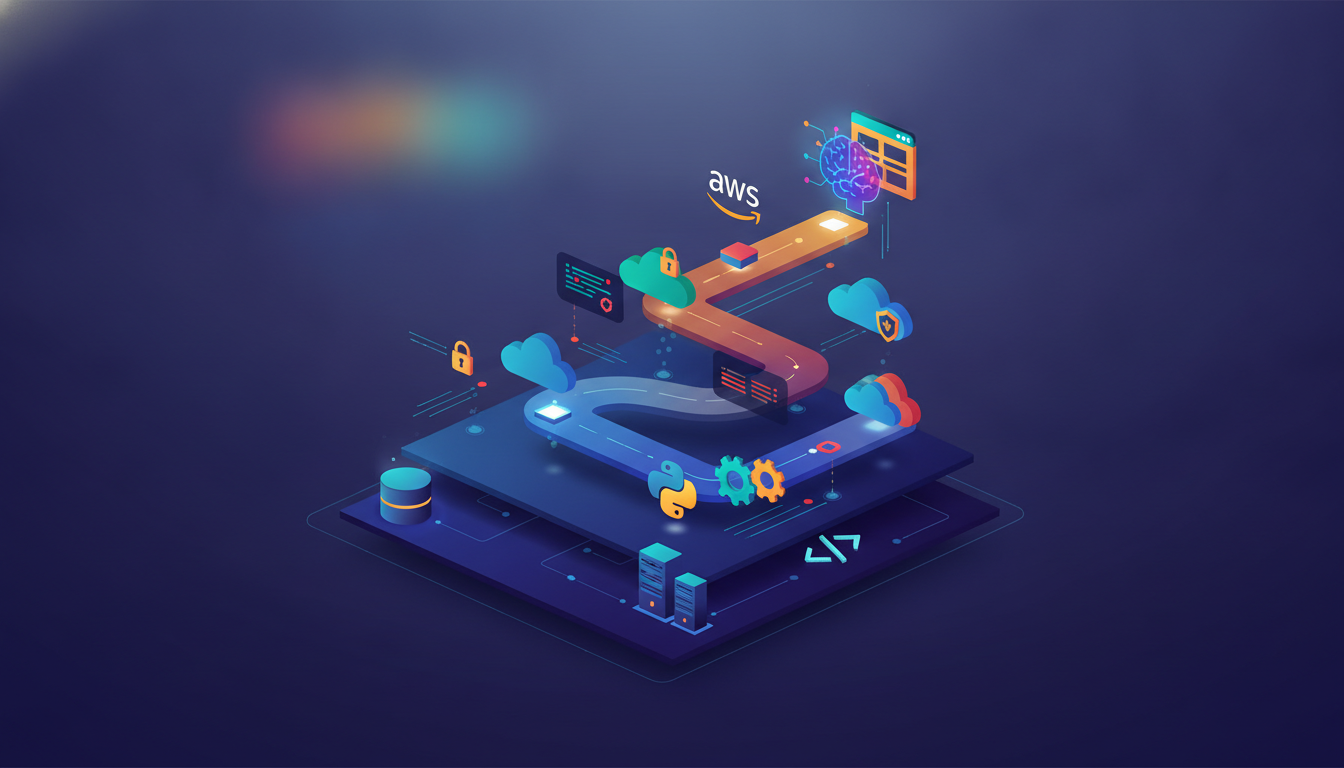
Full Stack Developer Roadmap
Full Stack Developer Roadmap in 2026
Full Stack Development is one of the most in-demand careers in the software industry. A Full Stack Developer can build complete web applications by handling both frontend user interfaces and backend server-side systems.
In 2026, companies are actively hiring Full Stack Developers because they can work across multiple technologies and build end-to-end applications efficiently.
This complete Full Stack Developer roadmap will guide beginners step-by-step to become job-ready developers.
For learners looking for live mentoring, practical coding support, and project guidance, explore Tutorac Full Stack Development Tutors.
What is a Full Stack Developer?
A Full Stack Developer works on both:
- Frontend Development
- Backend Development
They can:
- Build responsive websites
- Develop APIs
- Manage databases
- Deploy applications
- Handle cloud hosting
Full Stack Developers understand the complete architecture of modern web applications.
Why Choose Full Stack Development in 2026?
Full Stack Development offers excellent career growth and flexibility.
Benefits of Becoming a Full Stack Developer
- High global demand
- Excellent salary packages
- Freelancing opportunities
- Startup opportunities
- Remote work flexibility
- Ability to build complete applications independently
Companies increasingly prefer developers who can manage both frontend and backend systems.
Complete Full Stack Developer Roadmap
Step 1: Learn Internet & Web Fundamentals
Before learning programming, understand how the web works.
Learn
- HTTP & HTTPS
- DNS basics
- Web browsers
- Hosting concepts
- Client-server architecture
Understanding web fundamentals helps developers build scalable applications.
Step 2: Learn HTML
HTML is the foundation of web development.
Topics to Learn
- HTML structure
- Forms
- Tables
- Semantic HTML
- Multimedia elements
Example:
<!DOCTYPE html>
<html>
<head>
<title>My Website</title>
</head>
<body>
<h1>Hello World</h1>
</body>
</html>
HTML structures website content.
Step 3: Learn CSS
CSS is used to style web pages.
Important CSS Topics
- Colors & typography
- Flexbox
- CSS Grid
- Responsive design
- Animations
Responsive web design is essential because websites must work on:
- Mobile devices
- Tablets
- Desktop systems
Step 4: Learn JavaScript
JavaScript adds interactivity and dynamic behavior to websites.
Important JavaScript Topics
- Variables
- Functions
- Arrays & objects
- DOM manipulation
- Events
- ES6 features
- Async programming
Example:
const message = “Welcome”;
console.log(message);
JavaScript remains one of the most important languages in modern web development.
For guided frontend and backend mentoring, visit Tutorac Full Stack Development Tutors.
Step 5: Learn Frontend Frameworks
Frontend frameworks simplify UI development.
Popular Frontend Frameworks
Framework | Usage |
React.js | Most popular frontend library |
Angular | Enterprise applications |
Vue.js | Lightweight framework |
React.js Roadmap
React is one of the most widely used frontend technologies in 2026.
Learn
- Components
- Props & state
- Hooks
- Routing
- API integration
- State management
React powers many modern web applications. (react.dev)
Step 6: Learn Git & GitHub
Version control is essential for developers.
Learn Git Concepts
- Repositories
- Branching
- Commits
- Pull requests
- Merging
Create your portfolio using:
Step 7: Learn Backend Development
Backend development handles business logic and server-side operations.
Popular Backend Technologies
Language | Framework |
JavaScript | Node.js |
Python | Django, Flask |
Java | Spring Boot |
PHP | Laravel |
Learn Node.js
Node.js allows JavaScript to run on the server.
Learn
- Express.js
- Routing
- Middleware
- REST APIs
- Authentication
Node.js is widely used in scalable web application development. (nodejs.org)
Step 8: Learn Databases
Databases store application data.
SQL Databases
- MySQL
- PostgreSQL
NoSQL Databases
- MongoDB
- Firebase
Important Database Concepts
- CRUD operations
- Relationships
- Queries
- Indexing
- Data modeling
Databases are essential for backend systems and APIs.
Step 9: Learn APIs
APIs connect frontend and backend systems.
Learn
- REST APIs
- JSON
- HTTP methods
- Authentication APIs
APIs are critical for modern web applications and mobile apps.
Step 10: Learn Authentication & Security
Security is important in Full Stack applications.
Learn
- JWT authentication
- OAuth
- Password encryption
- Session management
Secure applications protect user data and systems.
Step 11: Learn Deployment & Hosting
Developers should know how to deploy applications online.
Popular Deployment Platforms
- Vercel
- Netlify
- AWS
- Render
- DigitalOcean
Learn
- Hosting workflows
- Environment variables
- Domain setup
- CI/CD basics
Cloud deployment is becoming a mandatory developer skill.
Step 12: Learn DevOps Basics
DevOps improves automation and deployment processes.
Learn
- Docker
- CI/CD pipelines
- Kubernetes basics
DevOps knowledge helps developers manage scalable production systems.
Step 13: Learn Cloud Computing
Cloud platforms power modern applications.
Popular Cloud Platforms
- Amazon Web Services
- Microsoft Azure
- Google Cloud
Learn
- Cloud hosting
- Storage services
- Deployment pipelines
- APIs
Cloud computing is highly valuable for Full Stack Developers.
Step 14: Build Real Full Stack Projects
Projects are essential for becoming job-ready.
Beginner Projects
- To-do application
- Calculator app
- Portfolio website
Intermediate Projects
- Blog platform
- E-commerce website
- Chat application
Advanced Projects
- Social media platform
- SaaS application
- AI-powered web app
Hands-on projects help strengthen technical and problem-solving skills.
For live project mentoring and coding guidance, explore Tutorac Full Stack Development Tutors.
Popular Full Stack Technology Stacks
MERN Stack
- MongoDB
- Express.js
- React.js
- Node.js
MEAN Stack
- MongoDB
- Express.js
- Angular
- Node.js
Python Full Stack
- Python
- Django/Flask
- React.js
- PostgreSQL
Different technology stacks are used based on project requirements.
Full Stack Developer Learning Timeline
Duration | Topics |
Month 1 | HTML & CSS |
Month 2 | JavaScript |
Month 3 | React.js |
Month 4 | Backend Development |
Month 5 | Databases & APIs |
Month 6 | Projects & Deployment |
Best Tools for Full Stack Developers
Category | Tools |
Frontend | React.js, Angular |
Backend | Node.js, Django |
Database | MongoDB, MySQL |
Version Control | Git, GitHub |
Deployment | AWS, Vercel |
IDE | VS Code |
Skills Required for Full Stack Developers
Technical Skills
- HTML, CSS, JavaScript
- Frontend frameworks
- Backend development
- APIs
- Databases
- Deployment
Soft Skills
- Problem-solving
- Team collaboration
- Communication
- Time management
Companies value developers with both technical and collaboration skills.
Full Stack Developer Salary in India
Experience | Average Salary |
Fresher | ₹4–8 LPA |
Mid-Level | ₹10–18 LPA |
Experienced | ₹25+ LPA |
Developers with cloud and DevOps expertise often receive higher salaries.
Common Mistakes Beginners Should Avoid
Avoid These Mistakes
- Skipping JavaScript fundamentals
- Learning too many frameworks together
- Ignoring projects
- Avoiding Git & GitHub
- Not practicing regularly
Hands-on learning is critical for becoming a strong Full Stack Developer.
Best Resources to Learn Full Stack Development
Personalized Mentorship
For live tutoring, interview preparation, and project guidance, check:
Tutorac Full Stack Development Tutors
Future Scope of Full Stack Development
Full Stack Development continues growing because of demand for:
- SaaS platforms
- E-commerce systems
- Cloud applications
- AI-powered web apps
- Enterprise software
Full Stack Developers remain highly valuable across startups and enterprises.
Final Thoughts
Full Stack Development is one of the best software career choices in 2026. Start with HTML, CSS, and JavaScript, gradually move toward React.js, backend technologies, databases, APIs, and deployment.
Build projects consistently, maintain a strong GitHub portfolio, and focus on practical coding experience.
With continuous learning and hands-on practice, you can become a successful Full Stack Developer.
For personalized mentoring, live coding support, and project guidance, explore Tutorac Full Stack Development Tutors.
FAQs
Is Full Stack Development a good career in 2026?
Yes, Full Stack Development remains one of the most in-demand and high-paying software careers.
Which language is best for Full Stack Development?
JavaScript is the most popular because it works for both frontend and backend development.
How long does it take to become a Full Stack Developer?
With consistent practice and projects, beginners can become job-ready within 6–12 months.
Is React necessary for Full Stack Development?
React is not mandatory, but it is one of the most widely used frontend technologies.
Where can I learn Full Stack Development with mentorship?
You can get live tutoring, project guidance, and coding support through Tutorac Full Stack Development Tutors.













Add a comment