What is Generative AI?
What is Generative AI?
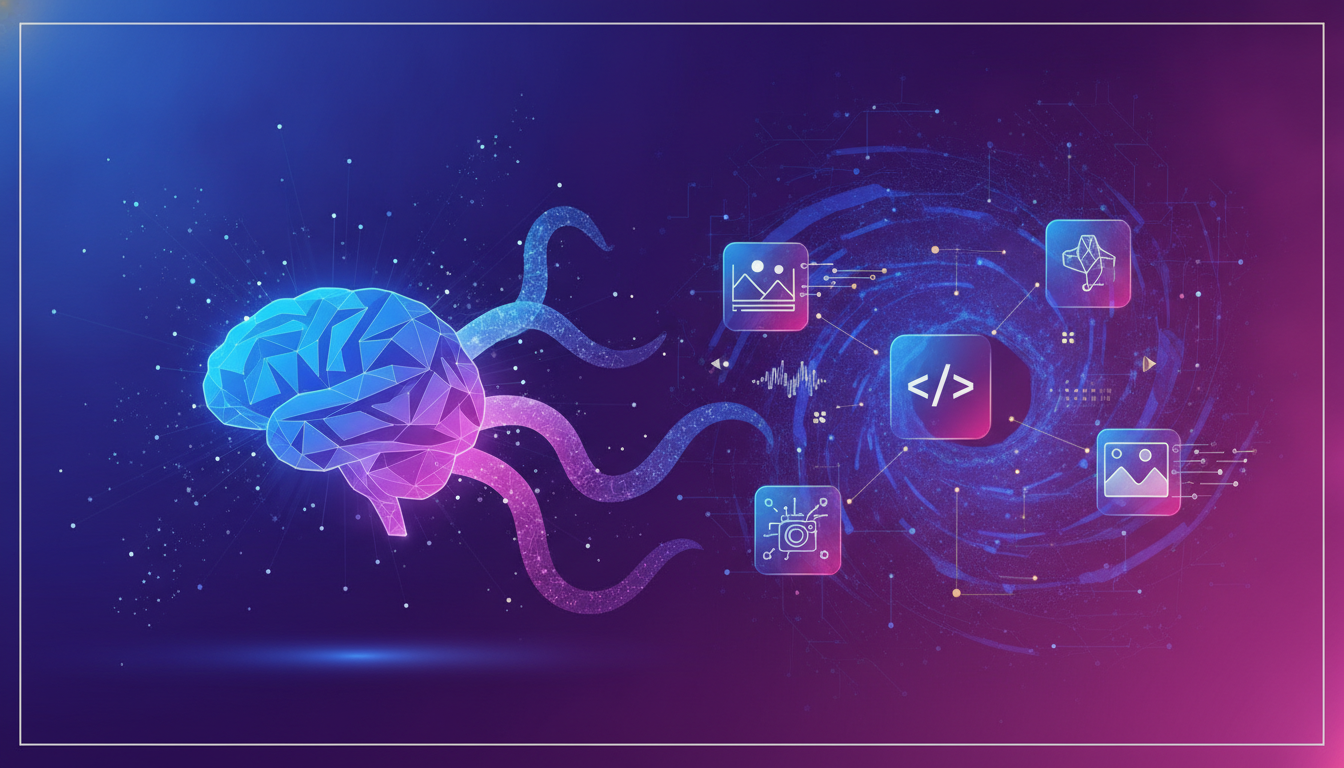
Generative AI, also called Gen AI, is a type of Artificial Intelligence that can create new content such as text, images, videos, audio, code, and designs based on user prompts or training data.
Unlike traditional AI systems that mainly analyze or classify data, Generative AI produces completely new outputs using patterns learned from massive datasets.
Examples of Generative AI include:
- AI chatbots
- AI image generators
- AI video creators
- AI coding assistants
- AI music generators
Popular Generative AI tools include ChatGPT, Gemini, Midjourney, DALL·E, and Claude.
For learners looking for practical AI mentoring, projects, and live training, explore Tutorac Generative AI Tutors.
How Does Generative AI Work?
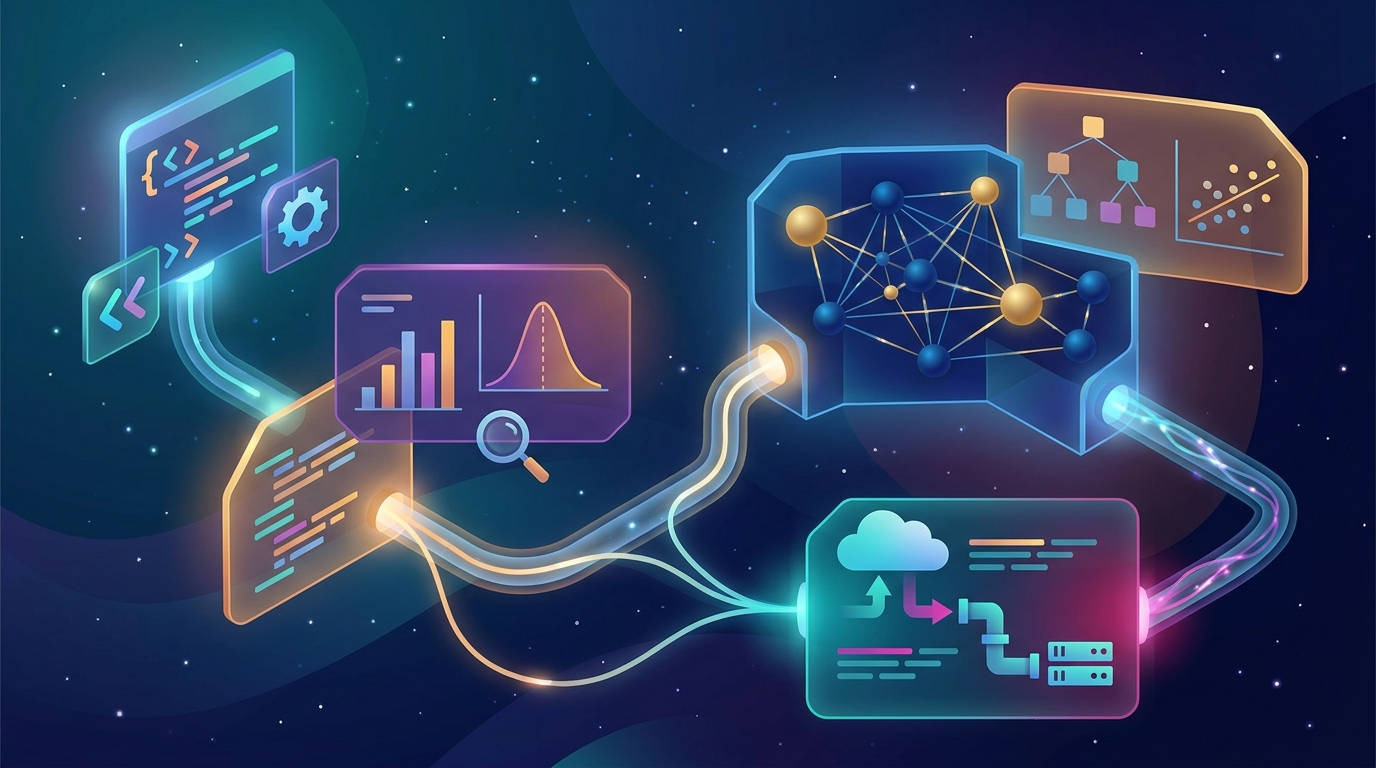
Generative AI works by training Deep Learning models on huge amounts of data.
These AI systems identify patterns, relationships, and structures in the data and then generate new content that resembles human-created work.
Core Technologies Behind Generative AI
- Deep Learning
Deep Learning uses neural networks to process and learn from data.
- Large Language Models (LLMs)
LLMs are trained on billions of words and help AI systems generate human-like text.
- Transformers
Transformer architecture powers modern AI systems like ChatGPT and Gemini.
- Neural Networks
Neural networks mimic how the human brain processes information.
Types of Content Created by Generative AI
Generative AI can create multiple types of content.
Content Type | Examples |
Text | Articles, blogs, emails |
Images | AI art, graphics |
Videos | AI-generated videos |
Audio | Music, voice cloning |
Code | Programming assistance |
3D Models | Design and gaming assets |
Generative AI is revolutionizing content creation across industries.
Popular Generative AI Tools in 2026
AI Chatbots
- ChatGPT
- Gemini
- Claude
AI Image Generators
- Midjourney
- DALL·E
- Adobe Firefly
AI Video Tools
- Runway
- Sora
- Pika
AI Coding Tools
- GitHub Copilot
- Replit AI
- Microsoft Copilot
Generative AI tools are increasingly used in writing, coding, design, and business workflows.
Applications of Generative AI
Generative AI is transforming multiple industries.
- Content Creation
AI can generate:
- Blog posts
- Marketing content
- Product descriptions
- Social media captions
This improves productivity and reduces manual effort.
- Image Generation
AI image generators create realistic artwork and graphics from text prompts.
Applications
- Graphic design
- Advertising
- Gaming
- Branding
Popular tools include Midjourney and DALL·E.
- Video Generation
Generative AI can create videos automatically from text descriptions.
Applications
- Marketing videos
- Educational content
- Animation
- Film production
AI-powered video tools are rapidly improving in 2026.
- AI Chatbots & Virtual Assistants
AI chatbots help businesses automate customer support and communication.
Examples
- ChatGPT
- Google Gemini
- AI customer support bots
Generative AI is widely used in conversational AI systems.
- Software Development
Generative AI helps developers write code faster.
Applications
- Code suggestions
- Debugging
- Documentation generation
- Automation
AI coding assistants improve developer productivity significantly.
- Healthcare & Medicine
Generative AI is used in healthcare for:
- Drug discovery
- Medical image analysis
- Patient assistance
- Healthcare automation
AI is helping accelerate medical research and diagnostics.
- Education
Generative AI supports personalized learning experiences.
Applications
- AI tutoring
- Automated grading
- Content summarization
- Interactive learning
AI-powered educational systems are becoming increasingly popular.
- Business & Marketing
Businesses use Gen AI for:
- Customer engagement
- Marketing campaigns
- Business analytics
- Workflow automation
Generative AI is becoming a major productivity tool across enterprises.
Difference Between AI, Machine Learning & Generative AI
Technology | Purpose |
Artificial Intelligence | Simulate human intelligence |
Machine Learning | Learn from data |
Generative AI | Create new content |
Generative AI is a subset of Artificial Intelligence powered by Machine Learning and Deep Learning models.
Benefits of Generative AI
Major Advantages
- Faster content creation
- Improved productivity
- Automation of repetitive tasks
- Personalized experiences
- Reduced operational costs
- Faster software development
Generative AI is helping businesses innovate more efficiently.
Challenges & Risks of Generative AI
Despite its advantages, Generative AI also has challenges.
Common Risks
- Incorrect information (hallucinations)
- Deepfakes
- Copyright concerns
- Bias in AI outputs
- Privacy issues
- Misuse of AI-generated content
Responsible AI practices are becoming increasingly important.
Skills Required to Learn Generative AI
If you want to build a career in Gen AI, learn these skills:
Important Skills
- Python programming
- Machine Learning
- Deep Learning
- NLP
- Prompt engineering
- APIs
- Cloud computing
For guided AI learning and practical mentorship, visit Tutorac Generative AI Tutors.
Best Programming Languages for Generative AI
Language | Usage |
Python | AI & ML development |
R | Data analysis |
JavaScript | AI web apps |
Java | Enterprise AI |
Python is the most popular language for Generative AI development because of its strong ecosystem.
Best Frameworks for Generative AI
Popular AI Frameworks
- TensorFlow
- PyTorch
- Hugging Face Transformers
- LangChain
These frameworks help build AI-powered applications and LLM systems.
Career Opportunities in Generative AI
Generative AI is creating massive job opportunities worldwide.
Popular Career Roles
- Generative AI Engineer
- AI Research Engineer
- Prompt Engineer
- NLP Engineer
- Machine Learning Engineer
- AI Application Developer
AI careers are among the highest-paying technology roles in 2026.
Generative AI Salary in India
Experience | Average Salary |
Fresher | ₹6–12 LPA |
Mid-Level | ₹15–30 LPA |
Experienced | ₹35+ LPA |
Generative AI specialists are highly valued because of growing industry demand.
Future of Generative AI
Generative AI is expected to transform industries including:
- Healthcare
- Education
- Marketing
- Software development
- Entertainment
- Robotics
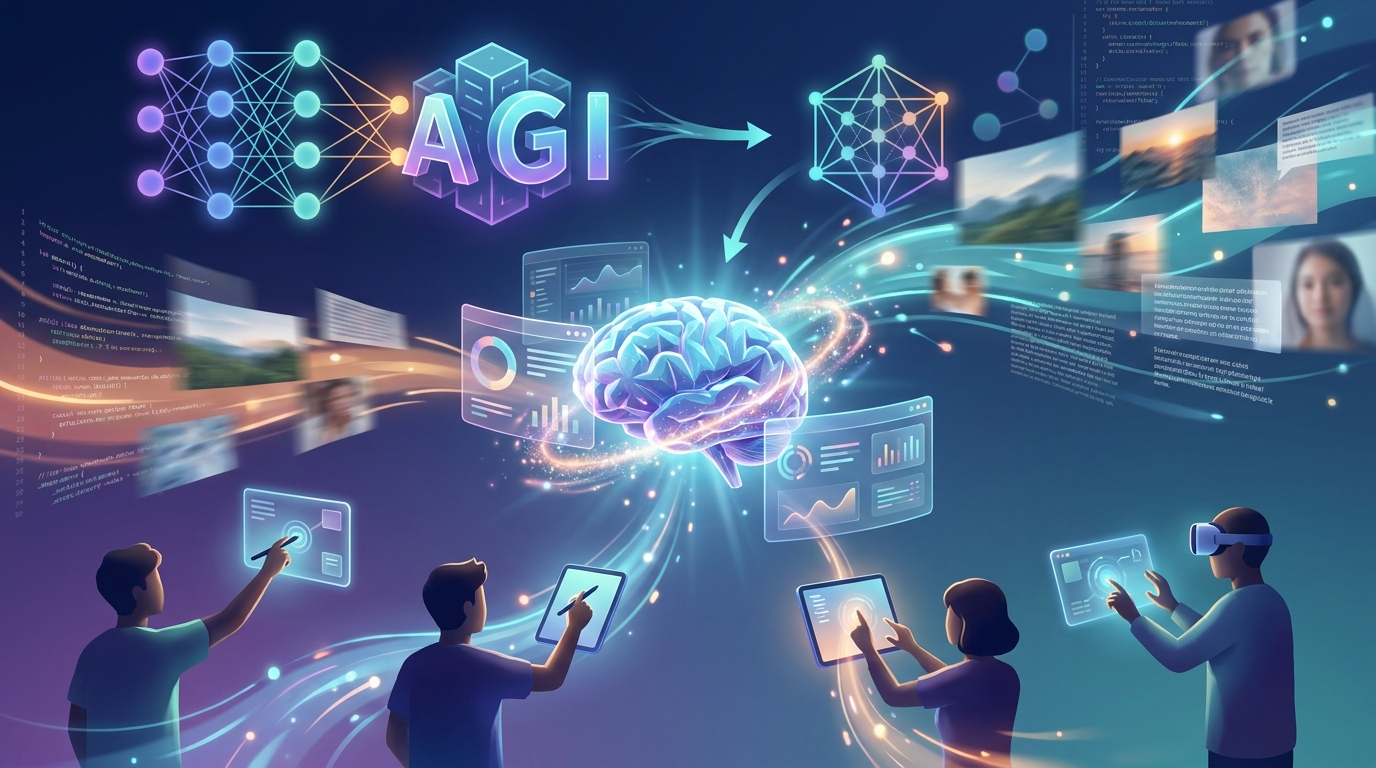
AI systems are evolving from reactive assistants to proactive intelligent agents.
The future of Gen AI includes:
- Autonomous AI agents
- Personalized AI systems
- AI-powered businesses
- Advanced multimodal AI
How to Start Learning Generative AI
Beginner Roadmap
- Learn Python
- Learn Machine Learning basics
- Study Deep Learning
- Learn NLP concepts
- Explore LLMs & Transformers
- Build AI projects
- Practice prompt engineering
Hands-on projects are the best way to master Generative AI.
Final Thoughts
Generative AI is one of the most revolutionary technologies of the modern era. It enables machines to create text, images, videos, code, and other forms of content with human-like intelligence.
From AI chatbots and automation to healthcare and education, Generative AI is transforming industries globally.
For beginners, learning Python, Machine Learning, Deep Learning, and prompt engineering is the best way to enter the Gen AI field.
For live mentoring, project guidance, and personalized learning support, explore Tutorac Generative AI Tutors.
FAQs
What is Generative AI in simple words?
Generative AI is a type of AI that creates new content such as text, images, videos, audio, or code.
Is ChatGPT a Generative AI tool?
Yes, ChatGPT is a Generative AI chatbot powered by Large Language Models.
Which language is best for Generative AI?
Python is the most popular programming language for Generative AI development.
What are the applications of Generative AI?
Generative AI is used in content creation, AI chatbots, image generation, coding, healthcare, education, and automation.
Where can I learn Generative AI with mentorship?
You can get live tutoring, practical projects, and personalized guidance through Tutorac Generative AI Tutors














Add a comment