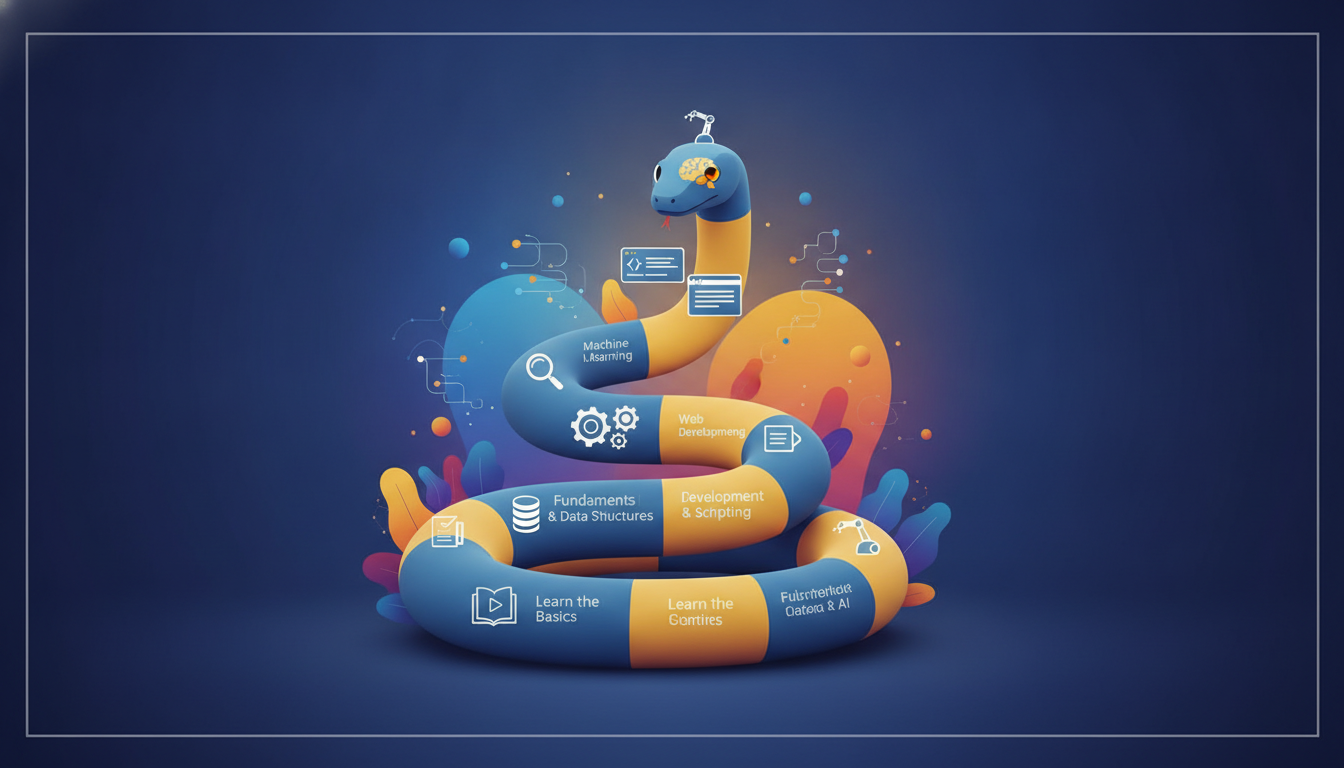
Python Roadmap for Beginners
Python Roadmap for Beginners in 2026
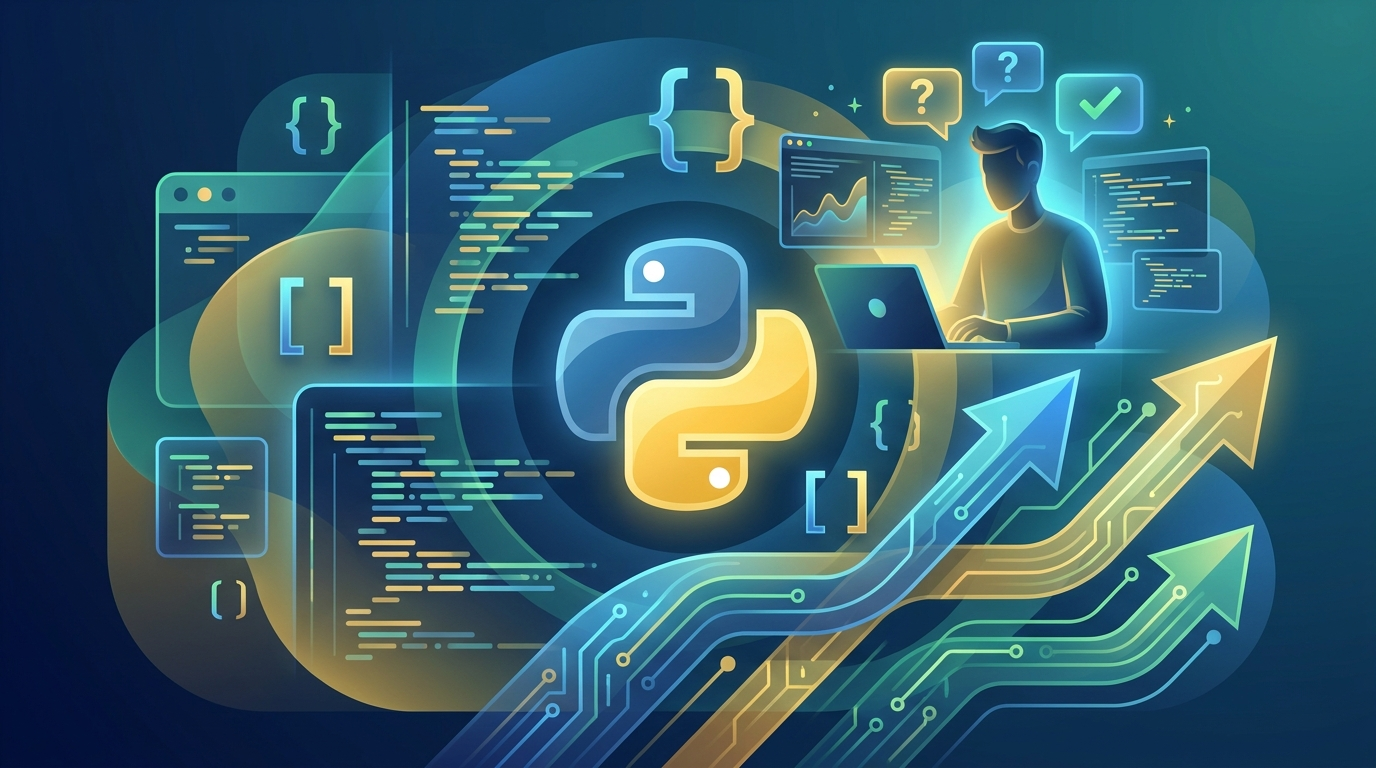
Python remains one of the most popular programming languages in 2026 because of its simplicity, versatility, and massive career opportunities. It is widely used in web development, Data Science, Artificial Intelligence, automation, cloud computing, and cybersecurity.
If you are planning to start your coding journey, this detailed Python roadmap will help you learn Python step-by-step and become industry-ready.
For learners looking for expert guidance, live training, or mentorship, explore Python learning support and development training from Tutorac Python Development Tutors.
Why Learn Python in 2026?
Python is considered one of the easiest programming languages for beginners because of its readable syntax and huge ecosystem.
Benefits of Learning Python
- Easy to learn and beginner-friendly
- High demand in software companies
- Used in AI, Machine Learning, and Data Science
- Excellent salary opportunities
- Huge developer community
- Thousands of libraries and frameworks
- Cross-platform compatibility
Major companies using Python include Google, Netflix, Instagram, Spotify, and Amazon.
Complete Python Roadmap for Beginners
Step 1: Learn Programming Fundamentals
Start by understanding basic programming concepts before moving into advanced topics.
Topics to Learn
- Variables
- Data types
- Operators
- Conditional statements
- Loops
- Functions
- Input and output
- Error handling
Example:
name = input(“Enter your name: “)
print(“Welcome”, name)
Strong fundamentals make advanced Python learning easier.
Step 2: Install Python & Setup Development Environment
Download Python from the official website:
Python supports multiple operating systems including Windows, Linux, and macOS.
Recommended IDEs & Tools
- VS Code
- PyCharm
- Jupyter Notebook
Learn These Tools
- Pip package manager
- Virtual environments
- Terminal/Command Prompt
- Git basics
Step 3: Master Core Python Concepts
Once basics are completed, move to intermediate concepts.
Important Python Topics
Data Structures
- Lists
- Tuples
- Dictionaries
- Sets
Object-Oriented Programming (OOP)
- Classes
- Objects
- Inheritance
- Polymorphism
File Handling
- Read/write files
- CSV operations
- JSON handling
Exception Handling
try:
num = int(input())
except ValueError:
print(“Invalid Input”)
Step 4: Learn Python Libraries
Python becomes powerful because of its rich ecosystem of libraries.
Essential Python Libraries in 2026
Category | Libraries |
Data Science | NumPy, Pandas |
Visualization | Matplotlib, Seaborn |
Web Development | Django, Flask |
AI & Machine Learning | TensorFlow, PyTorch |
Automation | Selenium |
API Development | FastAPI |
Step 5: Choose Your Python Career Path
Python offers multiple specialization paths.
- Python Web Development
Web development is one of the most popular Python career paths.
Learn These Skills
- HTML
- CSS
- JavaScript
- REST APIs
- Database integration
Popular Frameworks
- Django
- Flask
- FastAPI
If you want practical coding guidance and live mentoring, you can connect with industry experts through Tutorac Python Development Tutors.
- Data Science with Python
Python is heavily used in Data Science and analytics.
Skills to Learn
- Data analysis
- Statistics
- SQL
- Data visualization
- Machine Learning basics
Tools
- Pandas
- NumPy
- Jupyter Notebook
- Machine Learning & Artificial Intelligence
AI and Machine Learning continue to grow rapidly in 2026.
Topics to Learn
- Supervised learning
- Deep learning
- Neural networks
- NLP
- Generative AI
Popular Libraries
- TensorFlow
- PyTorch
- Scikit-learn
Python is widely used in AI because of its simplicity and powerful ecosystem.
- Automation Testing
Python is widely used for test automation and scripting.
Learn
- Selenium
- PyTest
- API testing
- CI/CD basics
- Cybersecurity & Ethical Hacking
Python is useful for automation and security scripting.
Learn
- Linux basics
- Networking
- Security tools
- Python scripting
Step 6: Learn Databases
Databases are essential for backend and full-stack development.
Recommended Databases
- MySQL
- PostgreSQL
- MongoDB
- SQLite
Topics
- CRUD operations
- SQL queries
- Database connectivity
Step 7: Build Real Python Projects
Projects improve practical coding skills and strengthen your portfolio.
Beginner Projects
- Calculator app
- To-do app
- Weather application
- Password generator
- Expense tracker
Intermediate Projects
- Blog website
- Chatbot
- AI assistant
- Portfolio website
- E-commerce backend
Hands-on project development is one of the best ways to become job-ready.
Step 8: Learn Git & GitHub
Version control is mandatory for developers.
Learn
- Git commands
- Repository management
- Branching
- Pull requests
Create your coding portfolio using:
Step 9: Practice Coding Regularly
Daily coding practice improves logic-building and problem-solving.
Best Coding Platforms
- LeetCode
- HackerRank
- CodeChef
- GeeksforGeeks
Practice:
- Algorithms
- Data structures
- Coding challenges
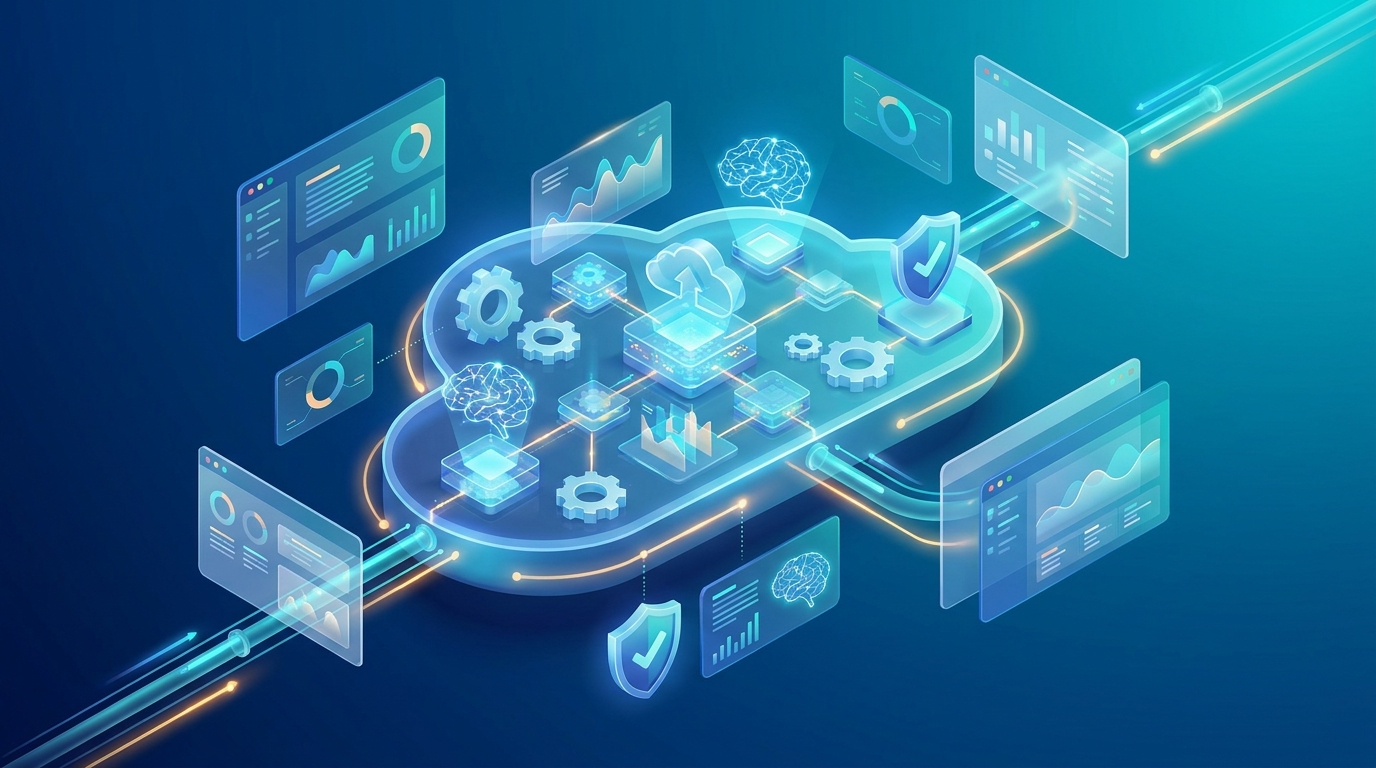
Step 10: Learn Deployment & Cloud Basics
Modern Python developers should know deployment and cloud basics.
Learn
- Linux commands
- Docker basics
- Hosting applications
- Cloud deployment
Popular Cloud Platforms
- Amazon Web Services
- Microsoft Azure
- Google Cloud
Python Learning Timeline for Beginners
Duration | Topics |
Month 1 | Python Basics |
Month 2 | OOP & Data Structures |
Month 3 | Libraries & Mini Projects |
Month 4 | Frameworks & APIs |
Month 5 | Advanced Topics |
Month 6 | Real Projects & Portfolio |
Live Mentorship & Tutoring
For personalized Python training, interview preparation, and project assistance, check:
Tutorac Python Development Tutors
Python Developer Salary in India
Python developers are among the highest-paid IT professionals.
Experience | Average Salary |
Fresher | ₹3 LPA – ₹6 LPA |
Mid-Level | ₹7 LPA – ₹15 LPA |
Experienced | ₹20 LPA+ |
Salaries vary depending on specialization, skills, projects, and certifications.
Common Mistakes Beginners Should Avoid
Avoid These Mistakes
- Skipping programming basics
- Learning too many technologies together
- Avoiding projects
- Not practicing coding daily
- Ignoring Git and GitHub
- Memorizing instead of understanding
Future Scope of Python
Python continues to dominate several industries because of its flexibility and simplicity.
Python Will Continue Growing In
- Artificial Intelligence
- Machine Learning
- Data Science
- Automation
- Cybersecurity
- Cloud Computing
- Web Development
This makes Python one of the safest programming languages to learn for long-term career growth.
Final Thoughts
Python is one of the best programming languages for beginners in 2026. Whether you want to become a web developer, Data Scientist, AI Engineer, or automation expert, Python provides endless career opportunities.
Start with fundamentals, build projects consistently, practice coding daily, and gradually specialize in your preferred domain.
If you want expert support, project guidance, or one-on-one mentorship, explore Tutorac Python Development Tutors for personalized learning assistance.
FAQs
Is Python good for beginners?
Yes, Python is one of the easiest programming languages for beginners because of its clean syntax and readability.
How long does it take to learn Python?
You can learn Python basics within 2–3 months with regular practice. Becoming job-ready may take 6–12 months.
What should I learn after Python basics?
After basics, focus on projects, frameworks, databases, Git, and a specialization like web development or Data Science.
Is Python in demand in 2026?
Yes, Python remains highly in demand across AI, Data Science, automation, cloud computing, and web development industries.
Where can I learn Python with mentorship?
You can get guided Python learning, live tutoring, and project support through Tutorac Python Development Tutors.










Add a comment